- United's defensive numbers — why a centre-back is priority one
- Nathan Collins — profile, contract to 2029 and why Brentford hold the cards
- Calvin Bassey — the Nigerian angle and the new-deal obstacle
- The £50m question — what that budget realistically buys in January
- How transfer rumours move (and don't move) relegation/top-half odds
- Frequently asked questions
Searches for manchester united january transfer targets are already climbing, and it is not hard to see why. United are 19th in the Premier League with 8 points, one league win all season and 23 goals conceded in 11 games, and Mauricio Pochettino’s rebuilding job has an obvious starting point: the defence. Reports this week link United with Brentford captain Nathan Collins and Fulham’s Nigerian international Calvin Bassey, alongside a rumoured January budget of around £50m.
Before any of that moves your thinking on United’s relegation or top-half odds, one warning applies to everything below: these are reports, not bids. No offer has been reported for either defender, one leading striker target has already come off the market, and January rumours have a habit of pricing in moves that never happen. Here is what is actually being reported, and how to treat it.
United’s defensive numbers — why a centre-back is priority one
Strip away the noise and United’s problem is arithmetic. Eleven games, 23 goals conceded — more than two per game — and a goal difference of −9 that is the worst of any side outside the bottom place on form. Pochettino’s first league match was a 4–0 defeat at Liverpool on 22 November; his Champions League game at Sporting CP on 25 November finished 2–2, with Bruno Fernandes scoring twice and goalkeeper Senne Lammens at fault for a goal. Attacking talent is not the crisis. The crisis is that United cannot keep games tight long enough for that talent to matter.
That is why the January reporting concentrates on centre-backs rather than glamour forwards. A new manager inheriting the league’s second-leakiest defence, a relegation battle and a limited budget does not spend it on a winger. He spends it on the position that stops the bleeding. United are also currently without Marcus Rashford (hip), Benjamin Šeško (shin) and Carlos Baleba (hamstring), which thins the squad further — but injuries heal; a structural defensive weakness needs the market. Any realistic reading of United’s January starts there.
Nathan Collins — profile, contract to 2029 and why Brentford hold the cards
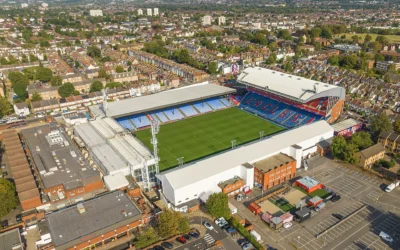
The name at the top of the reports is Nathan Collins, Brentford’s captain and Republic of Ireland international centre-back. talkSPORT‘s transfer notebook (24–25 November) reported that Collins is high on United’s January list. On paper the fit is obvious: a Premier League-proven defender, a leader, comfortable in a back four, and currently playing for the side United face this Saturday — Brentford, who sit 6th and beat Everton 4–0 on Monday.
The obstacles are just as obvious, and any honest assessment has to state them:
- Contract: Collins is tied to Brentford until 2029. There is no release-pressure, no expiring deal, no leverage for the buying club.
- Status: He is Brentford’s captain and defensive organiser, mid-season, for a club chasing European places. Selling him in January would damage Brentford’s own campaign.
- Price: A captain, under long contract, sold mid-season to a desperate buyer is the most expensive category of transfer there is. Brentford hold every card, and they know United’s situation.
None of that makes a move impossible — January surprises happen — but it makes Collins exactly the kind of target whose reported price would consume most or all of a £50m budget on its own. (Collins, incidentally, is currently sidelined with a knee injury, per this weekend’s team news, which adds another layer of uncertainty to any January timeline.) Treat the link as genuine reported interest, and treat a completed January deal as an open question, not an expectation.
Calvin Bassey — the Nigerian angle and the new-deal obstacle
The second reported name will interest our Nigerian readers most: Calvin Bassey, Fulham’s left-sided centre-back and a Super Eagles regular, was also listed among United’s defensive options in the same reporting. Bassey has the profile United lack — pace to defend large spaces, comfort stepping out with the ball, and experience in both the Premier League and European football.
But the same reporting carries its own obstacle: Bassey is now expected to sign a new contract with Fulham. A new deal would raise his price, remove any contract leverage and signal that Fulham — who host Bournemouth on Sunday, with Bassey and Alex Iwobi central to their side — intend to build around him rather than sell. For Nigerian fans, the story is worth following for what it says about Bassey’s standing: a Super Eagles defender being discussed at this level, and valued highly enough by his club to move quickly to secure him. For anyone pricing a January move, though, the direction of travel in the reports is away from a transfer, not towards one.
The honest summary of both links: United’s interest in defenders is credible and logical; the availability of their two named targets is doubtful; and nothing has been bid for, agreed or confirmed. That is the normal state of late-November transfer reporting, and it is why experienced readers discount it.
The £50m question — what that budget realistically buys in January
The Standard has reported a rumoured budget of around £50m for Pochettino’s January window, targeting a centre-back and a striker. Note the wording carefully: rumoured. Budgets briefed to journalists in November are negotiating positions as much as facts, and United’s actual spend will depend on outgoings, on which targets prove available, and on how desperate the league position looks by 1 January.
What does £50m realistically buy in a January market?
- One significant defender, or two modest signings — not both positions solved at elite level. January prices carry a premium because selling clubs are mid-season; a starting Premier League centre-back alone can absorb the entire figure (see the Collins situation above).
- The striker half of the plan is already narrower. One named target is definitively off the market: Dominic Calvert-Lewin signed a new Leeds United contract to 2029 on 26 November. That is a useful reminder of how quickly November target lists decay — a name linked one week is contractually unavailable the next.
- Loans and short-term fixes become likelier as the window goes on. If the headline targets are priced out, expect the reporting to shift towards loan deals and opportunistic moves late in the window.
If United’s position improves before January — starting with Brentford at home on Saturday — the urgency (and the premium they would pay) falls. If they are still in the bottom two at Christmas, selling clubs will smell it. Either way, the budget figure should be treated as a reported rumour that frames the story for anyone following manchester united january transfer targets, not a fact to build conclusions on.
How transfer rumours move (and don’t move) relegation/top-half odds
This is where readers of a predictions site need to be most careful. For readers following manchester united january transfer targets, transfer reporting moves odds in two very different ways:
What rumours legitimately change: almost nothing, yet. A reported target does not play for United, may never play for United, and — as the Calvert-Lewin case shows — can sign a new contract elsewhere mid-story. Relegation and top-half prices that shorten because of November transfer gossip are prices moved by hope, not by squad strength. Our accumulator betting guide makes the related point: building long-term positions on unverified events multiplies your exposure to exactly this kind of noise.
What actually changes the picture: confirmed signings, registered and available to play; the fee and contract (which reveal how much of the budget remains); and the fixtures the new player can actually influence — a defender signed on 30 January cannot help in the festive fixtures that may decide United’s season. There is also a tax angle Nigerian readers should remember on the other side of the market: any winnings you do make are subject to the 5% withholding explained in our guide to betting tax on winnings.
The practical approach: follow the Collins and Bassey stories, enjoy them, but price United on what is verifiable — 19th place, 8 points, 23 conceded, a new manager still searching for a first league win, and a home game against Brentford on Saturday that matters far more than any January rumour. The weekend’s fixtures and our daily analysis are on the Sure Soccer Predict homepage and the Pick of the Day page.
Frequently asked questions
Who are Manchester United’s January transfer targets?
Reported targets — not bids — include Brentford captain Nathan Collins and Fulham defender Calvin Bassey, according to talkSPORT’s transfer notebook (24–25 November 2026). The Standard reports a rumoured budget of around £50m aimed at a centre-back and a striker. Nothing has been offered or agreed.
Will Calvin Bassey join Manchester United?
It looks unlikely on current reporting. Bassey was listed among United’s options, but the same reports say he is expected to sign a new contract with Fulham, which would raise his price and remove United’s leverage. Treat any January move as speculation.
How much can Manchester United spend in January?
A figure of around £50m has been reported (the Standard), but it is a rumour, not a club statement. For readers following manchester united january transfer targets, that reported figure is the ceiling to judge every rumour against. In January prices, that realistically funds one major signing — most plausibly a centre-back — rather than a full rebuild.
Has any reported United target already been ruled out?
Yes. Dominic Calvert-Lewin, one named striker target, signed a new Leeds United contract running to 2029 on 26 November 2026, taking him off the market entirely.
Responsible betting: Betting is for over-18s only. Transfer rumours are not confirmed news, and no bet connected to them is ever a guaranteed win. Never bet more than you can afford to lose, and never chase losses. If betting stops being fun, seek help from GambleAware (UK) or the responsible-gambling support offered by licensed operators in Nigeria.

 By Niehof