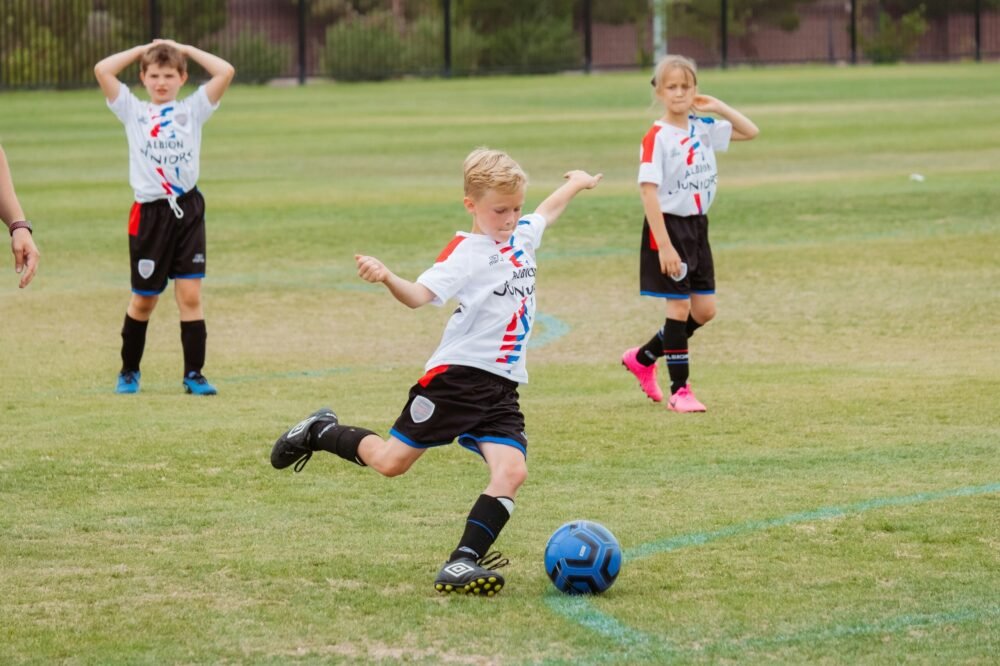

If you are a young athlete searching for Top 10 Countries Investing in Youth Sport Development in 2026, this article will guide you. In 2026, the countries dominating global sport are no longer relying on luck or raw talent alone. They are investing deliberately in young people, building systems that identify talent early, support education alongside sport, and create safe, structured environments where children can grow into confident athletes and responsible adults.
Youth sport development is now about much more than medals. It’s about health, discipline, opportunity, and long-term career pathways. From school programmes and grassroots clubs to elite academies and government-backed initiatives, some countries are clearly ahead of the curve. These are the places where the next generation of stars is being shaped.
Top 10 Countries Investing in Youth Sport Development in 2026
Look no more cause have broken down the Top 10 Countries Investing in Youth Sport Development in 2026. These are the places where the next generation of stars is being shaped. Let’s explore the Top 10 Countries Investing in Youth Sport Development in 2026 and what makes their systems truly work.
1. United States
The United States continues to lead globally through its powerful school-to-college sports system.
Youth athletes benefit from:
-
Well-funded school sports programmes
-
College scholarships linked to performance and academics
-
Modern facilities and coaching support
By combining education with competitive sport, the US ensures young athletes always have options beyond playing.
2. United Kingdom
The UK has made youth sport a national priority through strong government and federation involvement.
Key strengths include:
-
Investment in school sport and community clubs
-
Elite academies in football, rugby, and athletics
-
Clear pathways from grassroots to professional level
The UK’s balanced approach supports both participation and elite performance.
3. Australia
Australia’s youth sport system is built around participation, outdoor activity, and long-term athlete development.
Why it stands out:
-
Strong school and club partnerships
-
Government-backed youth sport initiatives
-
Heavy focus on physical literacy at a young age
Australian youth are encouraged to enjoy sport first, then specialise later.
4. Canada
Canada focuses on safe, inclusive, and athlete-centred youth development.
Its system promotes:
-
Participation over early pressure
-
Mental health and wellbeing
-
Long-term athletic development models
This approach reduces burnout and keeps more young people active.
5. Germany
Germany’s club-based structure provides stability and consistency for youth athletes.
Key features:
-
Strong local sports clubs (Vereine)
-
Professional coaching education
-
Clear talent identification pathways
Young athletes develop technical and tactical discipline from an early age.
6. Japan
Japan’s youth sport development is deeply rooted in school culture and discipline.
The system emphasises:
-
Respect, teamwork, and consistency
-
Strong school competitions
-
Structured training environments
This produces athletes with strong character and work ethic.
7. Netherlands
The Netherlands is admired for its player-centred youth development philosophy.
What makes it special:
-
Focus on creativity and decision-making
-
Small-group, technical training
-
Enjoyment-based learning
Young athletes are encouraged to think, not just follow instructions.
8. South Africa
South Africa is emerging as a major youth sport development hub in Africa.
Key drivers include:
-
Strong school rugby and athletics systems
-
Growing football academies
-
Community-based youth programmes
With continued investment, South Africa’s impact will keep growing.
9. Qatar
Qatar has invested heavily in elite youth development infrastructure.
Its strategy includes:
-
World-class academies
-
Advanced sport science support
-
Long-term talent development plans
The focus is on sustainability, not quick success.
10. France
France’s youth sport system blends school sport, academies, and national institutes.
Strengths of the French model:
-
High-quality coaching education
-
Strong technical development
-
Clear national pathways
France consistently produces top-level athletes across multiple sports.
Comparison Table: Youth Sport Investment in 2026
| Country | Youth Investment Level | Core Strength |
|---|---|---|
| United States | Very High | School–college pathway |
| United Kingdom | Very High | Grassroots & elite balance |
| Australia | High | Participation culture |
| Canada | High | Athlete wellbeing |
| Germany | High | Club infrastructure |
| Japan | High | Discipline & structure |
| Netherlands | High | Technical development |
| South Africa | Growing | Grassroots potential |
| Qatar | Strategic | Elite academies |
| France | High | Coaching excellence |
What These Countries Are Doing Right
Across all these nations, a few things stand out:
-
Youth sport is linked to education
-
Coaches are properly trained
-
Facilities are accessible
-
Long-term development is prioritised over short-term wins
These principles protect young athletes and maximise their potential.
Why Youth Sport Investment Matters in 2026
Strong youth sport systems lead to:
-
Healthier populations
-
Reduced youth crime
-
Better educational outcomes
-
Sustainable professional sport success
It’s not just a sports policy, it’s a social investment.
The Bottom Line: The Future Is Being Trained Today
In 2026, the countries that invest in youth sport are investing in their future leaders, role models, and communities. Talent exists everywhere, but opportunity does not. The nations listed here are proving that when young people are supported properly, sport can become a powerful force for lifelong success. The champions of tomorrow are already training today and these countries are making sure they don’t do it alone.
Your journey could literally begin today with this guide on Top 10 Countries Investing in Youth Sport Development in 2026.