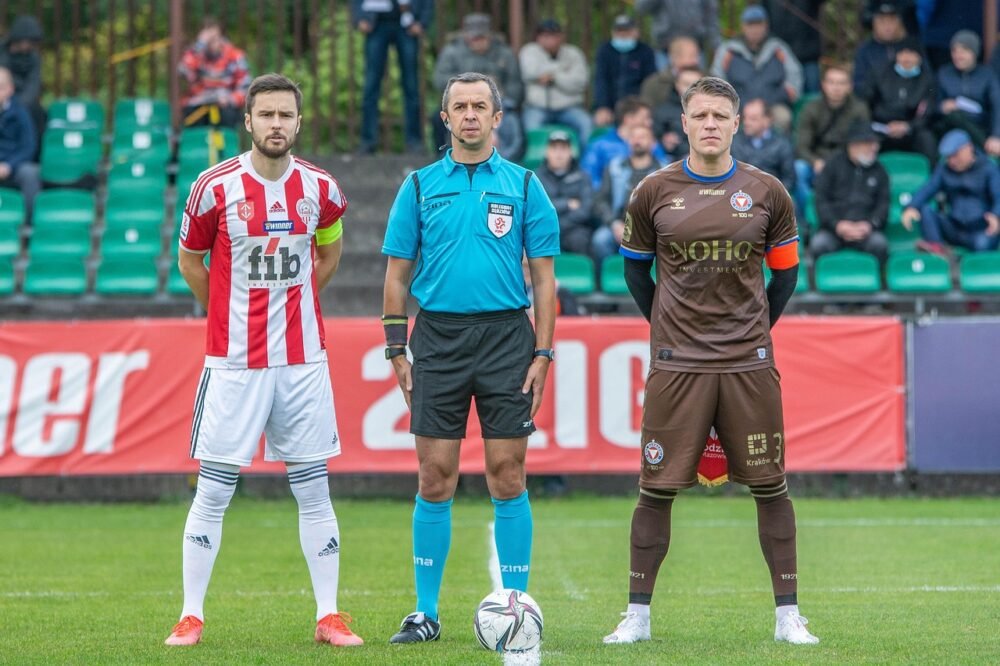

If you are a young footballer searching for Top 10 Countries Where Foreign Footballers Get Legal Playing Permits Easily in 2026, this guide will help you. One of the biggest obstacles for international players in 2026 is legal eligibility to play professionally abroad.
However, there are countries where getting a legal playing permit is relatively straightforward, especially for young international players or students looking to play semi-professionally or professionally. These countries often combine streamlined immigration policies, football-friendly regulations, and university or club-based pathways.
Top 10 Countries Where Foreign Footballers Get Legal Playing Permits Easily in 2026
Look no more cause we have broken down the Top 10 Countries Where Foreign Footballers Get Legal Playing Permits Easily in 2026. Even if you have talent, good footage, and a strong work ethic, many countries have strict visa and work permit regulations that make it extremely hard for foreign players to sign contracts.
Why Playing Permits Matter for International Players
Before diving into the countries, it’s important to understand why this is a big deal. Many talented players fail to move abroad simply because of bureaucracy.
A legal playing permit ensures that:
- You can sign a professional contract legally
- You have access to health insurance and legal protection
- You can participate in official leagues without risk of deportation or fines
Countries that streamline this process for foreign players often attract more international talent. Below are the lists of the Top 10 Countries Where Foreign Footballers Get Legal Playing Permits Easily in 2026:
1. United States
Why it’s easier
The U.S. offers multiple visa pathways for athletes, including P-1 (professional athletes) and student visas for college soccer players. Universities actively support international students in navigating these systems.
What it offers
Foreign players can compete in NCAA, NAIA, and USL leagues while staying fully legal. Post-graduation, the pathways to professional contracts via MLS or USL are well-defined.
2. Canada
Why it’s easier
Canada has simplified sports visas and student-athlete programs. The government encourages international talent in both football and other sports.
What it offers
Players can join Canadian university teams or semi-professional leagues while remaining fully compliant. CPL and MLS scouts often monitor these competitions.
3. United Kingdom
Why it’s easier
While top-level work permits are strict, the UK provides easier options for players joining universities or lower-division clubs, especially if they have academic enrollment or youth club backing.
What it offers
Foreign players can legally play in semi-professional leagues, university competitions, or join academies affiliated with professional clubs.
4. Germany
Why it’s easier
Germany has specific regulations for foreign athletes that are more flexible for U21 and university players. Clubs often sponsor work permits for promising talent.
What it offers
Players can join academies or semi-professional leagues while obtaining legal residence and work rights. Many move on to professional contracts later.
5. France
Why it’s easier
French sports federations actively help foreign players navigate residency and work permits. Youth academies and university-linked programs often assist in obtaining legal status.
What it offers
Foreigners can train and play in academy or semi-professional setups while staying fully legal. Education plus football programs make the process smoother.
6. Spain
Why it’s easier
Spain offers student visas for academy or university players, and some semi-professional clubs sponsor work permits for foreign talent.
What it offers
International players can join youth and reserve teams legally, with full access to competitions and club support.
7. Portugal
Why it’s easier
Portugal has a welcoming environment for foreign players, and clubs regularly handle permits for international talent, especially from Africa and South America.
What it offers
Foreign players can train in academies, join lower divisions, and eventually move into Primeira Liga teams with legal work permits.
8. Australia
Why it’s easier
Australia’s student-athlete and sports visa programs make it relatively simple for international players to stay legally while playing in university or semi-professional leagues.
What it offers
Players compete in university competitions, NPL clubs, or A-League pathways while fully compliant with immigration laws.
9. Japan
Why it’s easier
Japan provides long-term student visas for players joining sports universities or academies. Clubs also sponsor work visas for standout talent.
What it offers
International players can develop at university programs or semi-professional clubs, eventually earning professional contracts in the J-League.
10. South Korea
Why it’s easier
South Korea has flexible pathways for foreign athletes, especially in university leagues. Clubs can sponsor work permits for players showing promise.
What it offers
Players can compete legally in university and semi-professional competitions before signing professional contracts with K-League teams.
Common Traits of These Countries
The countries above make it easier for foreign players because:
- Universities and clubs actively assist with visas
- Semi-professional leagues act as a bridge to professional football
- Governments recognize the value of international sports talent
- There are clear, transparent pathways from amateur to professional
Who Should Consider These Countries
- International students seeking both football and education
- Players from regions with limited domestic opportunities
- Late developers who need time to grow
- Players without agents or club connections
Conclusion
In 2026, talent alone is not enough to play abroad legally. Choosing the right country with player-friendly visa policies is just as important as training and exposure.
Countries like the United States, Canada, Germany, and Portugal offer realistic opportunities for foreign players to secure legal playing permits while pursuing football careers.
Your journey could literally begin today with this guide on Top 10 Countries Where Foreign Footballers Get Legal Playing Permits Easily in 2026.