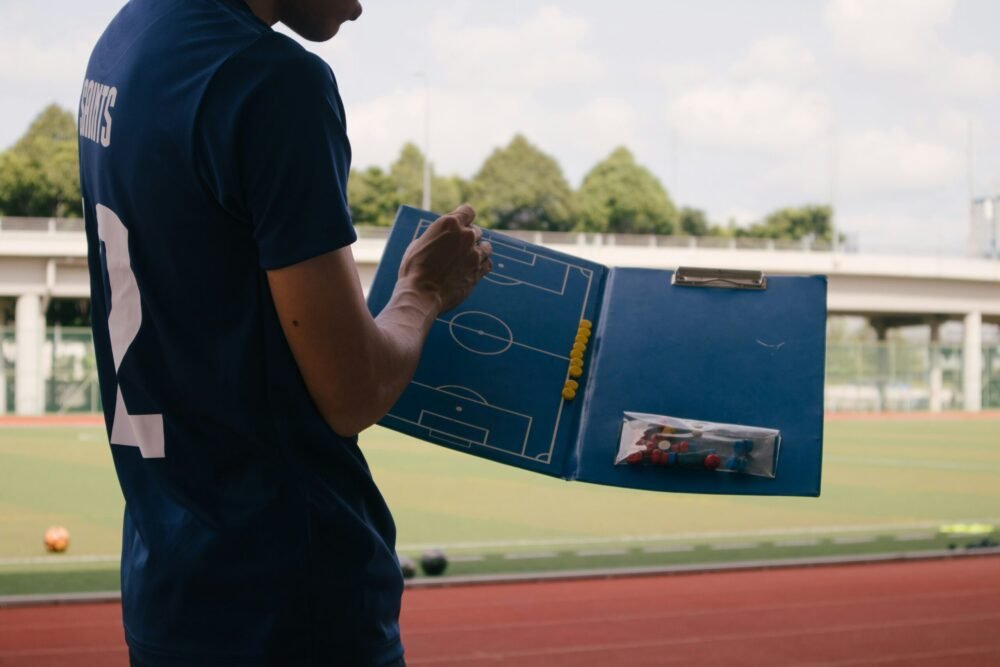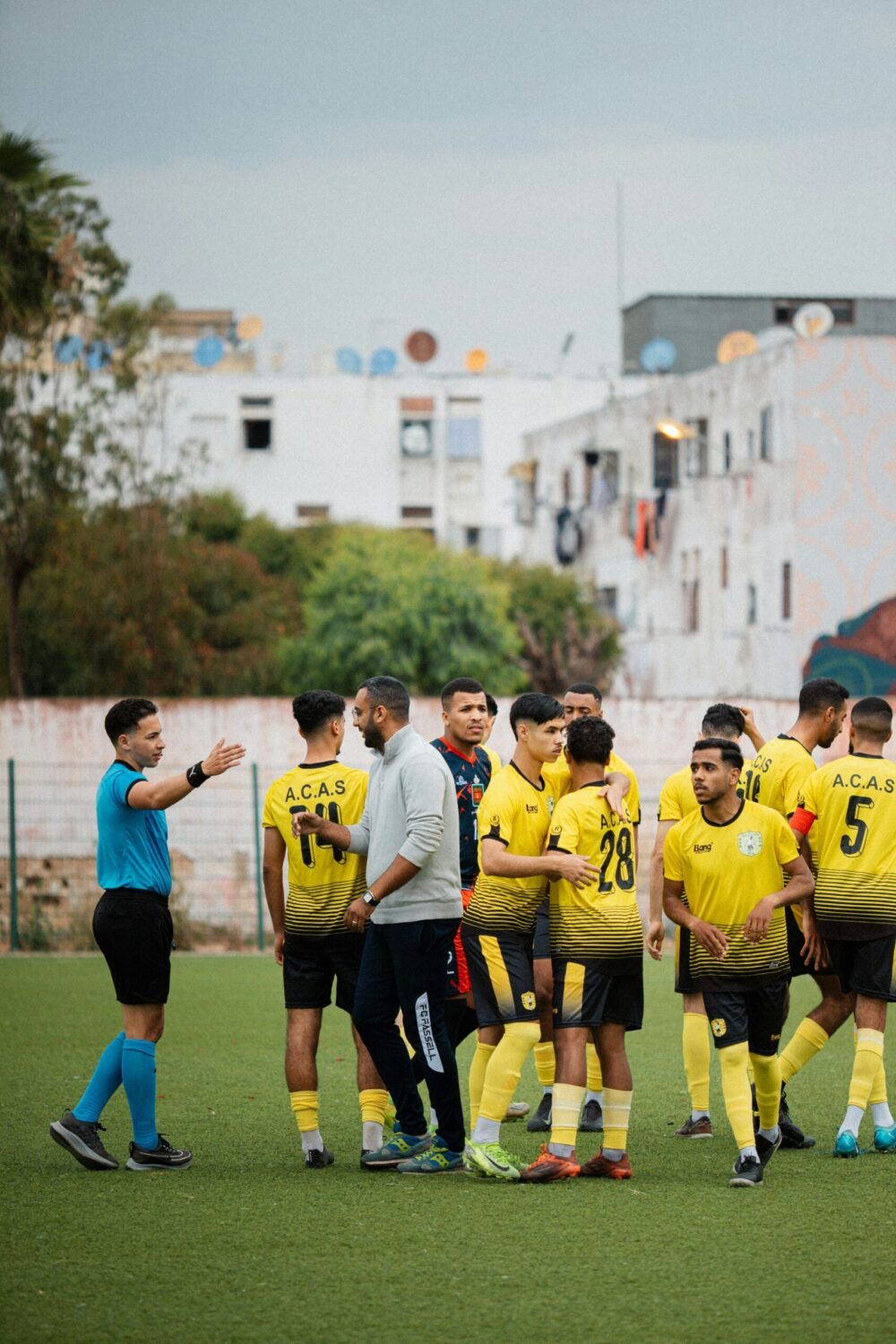

If you are a stricker searching for Top 10 Countries Where Foreign Strikers Are in High Demand in 2026, this guide will help you. Across the world, many football leagues are hungry for foreign attackers because clubs desperately want finishing power, speed, and creativity in their final third.
And the truth is simple, African strikers and other international forwards are shining everywhere, from Europe to Asia to the Middle East. Clubs don’t just want goals, they want hunger, work rate, physicality, and flair things many foreign players naturally bring to the table. And here’s the exciting part, clubs aren’t just accepting foreign strikers, they’re actively chasing them. From Europe to Asia to the Middle East, teams are desperately searching for attackers who can change games, create chances from nothing, and bring that explosive hunger many foreign players naturally have.
Top 10 Countries Where Foreign Strikers Are in High Demand in 2026
Look no more as we have broken down the Top 10 Countries Where Foreign Strikers Are in High Demand in 2026. Whether you’re a young African talent looking for your first breakthrough abroad, an international player trying to get noticed, or someone who simply wants a fair shot, this list of the Top 10 Countries Where Foreign Strikers Are in High Demand in 2026 will show you where the doors are truly open.
Below are the list of the 10 countries where foreign strikers are in high demands:
1. Portugal: A Gateway for Foreign Goalscorers
Portugal has become one of the most striker-friendly countries in the world. Clubs constantly look abroad for attackers because Portuguese teams love pace, flair, and sharp finishing qualities many foreign players provide.
Why Portugal Needs Foreign Strikers
-
Local players often excel in midfield roles, leaving forward positions open
-
Clubs export attacking players to bigger European leagues
-
Scouts from France, Spain, Belgium and Germany watch Portugal closely
Best For
-
Fast wingers
-
Creative attackers
-
Strong centre-forwards
2. Belgium: Europe’s Hidden Goldmine for Young Forwards
Belgium consistently signs young strikers from Africa and South America. Many top Belgian teams rely heavily on foreign attackers to strengthen their squads.
Why Strikers Are in Demand
-
Clubs prefer physically strong and fast attackers
-
Belgium exports a lot of players, so they always need replacements
-
Great exposure for future transfers
Best For
-
Powerful attackers
-
Strikers with good hold-up play
3. Sweden: A Growing Home for Foreign Talents
Swedish clubs have quietly become favourites for young foreign strikers. The leagues are structured, disciplined and very welcoming.
Why They Want Foreign Forwards
-
Swedish teams often lack raw attacking aggression
-
Foreign strikers add unpredictability and flair
-
Many clubs actively scout African youth players
Best For
-
Intelligent forwards
-
Strikers who want playing time fast
4. Finland: A Surprisingly Open Door
Finland continues to open its football borders, and in 2026 the demand for foreign attackers is higher than ever.
Reasons for High Demand
-
Local leagues value strong, fast forward lines
-
Clubs with limited budgets prefer talented foreigners
-
Easier pathways to first-team football
Best For
-
Young players needing professional exposure
-
Attackers with high work rate
5. Saudi Arabia: Big Ambitions, Big Opportunities
Saudi football is booming, and clubs aren’t shy about paying for talent including young and upcoming foreign strikers.
Why Strikers Are Wanted
-
Many teams rely heavily on import attackers
-
Clubs want international style and finishing quality
-
League standards are rising quickly
Best For
-
Physically strong forwards
-
Players looking for good salaries + experience
6. United Arab Emirates (UAE): The Land of Attacking Imports
UAE teams have long depended on foreign attackers, especially strikers and attacking midfielders.
Why UAE Needs Foreign Strikers
-
Clubs want flair, finishing, and creativity
-
Goalscoring quality is often imported
-
Great living conditions and strong pay
Best For
-
Playmakers
-
Clinical finishers
7. Japan: A Respectful, Structured Football Environment
The Japanese leagues appreciate disciplined, hardworking foreign attackers, and many get signed every year.
Why They Want Foreign Strikers
-
Japanese football values teamwork over individuality
-
Foreign attackers bring strength, unpredictability, and end-product
-
Clubs support foreign players with housing and easy adaptation
Best For
-
Hard-working forwards
-
Technical players
8. Australia: Excellent for Student-Athletes and Semi-Pro Players
Australian clubs sign foreign attackers regularly, especially in the NPL.
Reasons for Demand
-
Many clubs lack strong goalscorers
-
Foreign strikers add physicality
-
Plenty of opportunities to combine study + sport
Best For
-
Players who want both education and football
-
Strong athletes
9. Canada: Huge Demand Because of the 2026 World Cup
Canada is preparing for the global spotlight and clubs are pushing to attract more foreign forwards.
Why Canada Wants Foreign Attackers
-
Growing leagues need higher attacking quality
-
Clubs appreciate international flair
-
Friendly study-work pathways
Best For
-
Young attackers
-
Student players
10. South Africa: Africa’s Most Professional League After North Africa
Foreign attackers shine in the PSL because the league values creativity, pace, and strong finishing.
Why Strikers Are Needed
-
Clubs want new styles of attacking play
-
Strong fan culture rewards flair
-
Regular international competitions increase exposure
Best For
-
Fast, skillful players
-
Strikers who love the spotlight
Eligibility and Requirements
Who Can Apply for These Opportunities?
One thing young players often ask is, “Will they even accept someone like me?” The truth is: yes, if you meet the basic standards. Most football countries that welcome international players in 2026 are not looking for “perfect superstars” they want serious, committed athletes who show discipline, passion, and clear potential.
You’re likely eligible if you fit into these categories:
You Qualify If:
-
You’re between 16–25 years old (some countries allow up to age 30 for semi-pro leagues).
-
You have basic playing experience (academy, grassroots, school team, or amateur club).
-
You can afford travel, documentation and basic living expenses or you have a sponsor.
-
You’re in good physical fitness and committed to training consistently.
-
You have a clean behavioural record and show strong sportsmanship.
-
You’re open to relocation, training demands and cultural adjustment.
If you match at least 4 of the points above, you’re already in a strong position.
Requirements: What You Need Before Applying
Most clubs, leagues, and football migration programmes in 2026 typically ask for similar documents.
To avoid confusion, here are the main requirements young African and international players must prepare:
Football Requirements
-
A football CV (showing clubs, competitions, achievements).
-
Highlight video (3–6 minutes of your best moments).
-
Player profile information (height, weight, position, foot, strengths, stats).
-
Fitness test results (optional but very helpful).
-
Reference letter from a coach (if possible).
Travel & Documentation Requirements
-
International passport (valid for at least 1–2 years).
-
Visa documents depending on the chosen country.
-
Proof of funds (even if partial support is provided).
-
Medical check-up/health certificate.
Optional But Helpful
-
A local club or academy that can confirm your background.
-
Social media presence showing your training consistency.
-
International tournament participation (if any).
Having these prepared makes the process smoother and increases your chances of being accepted.
Comparison Table: Top 10 Countries Where Young African Players Can Get Sports Residency Easily in 2026
Below is a simple, clear table comparing residency friendliness, cost of living, and opportunities for foreign players:
| Country | Residency Difficulty (2026) | Why It’s Easy for Footballers | Estimated Monthly Cost of Living |
|---|---|---|---|
| Portugal | Easy | Football-friendly visas, many lower-division clubs | $650–$900 |
| Spain | Medium–Easy | Sports visas + many academies recruit foreigners | $700–$1,000 |
| Netherlands | Medium | Clubs actively sign young talent for development | $900–$1,200 |
| Germany | Medium–Easy | Regional leagues welcome foreign youth players | $800–$1,100 |
| Malta | Very Easy | Small leagues, high demand for foreign players | $550–$800 |
| Cyprus | Easy | Lower-tier clubs rely on international players | $600–$900 |
| Turkey | Easy | Affordable clubs with many foreign-player slots | $500–$850 |
| UAE | Medium | Youth academies offer visas + residency support | $900–$1,300 |
| Morocco | Very Easy | Government-backed sports development pathways | $400–$700 |
| Qatar | Medium–Easy | Aspire & other programmes bring foreign players | $800–$1,200 |
Conclusion
Your next opportunity might be one flight away. If you’re a young striker dreaming of playing abroad, 2026 is one of the most open, opportunity-filled years ever. Clubs everywhere need foreign attackers who can bring goals, hunger, discipline and magic to the pitch. These countries aren’t just welcoming and they’re actively searching. Your talent deserves more than local limits and Your goals deserve a bigger stage.
Your search could literally begin today with this search on Top 10 Countries Where Foreign Strikers Are in High Demand in 2026.