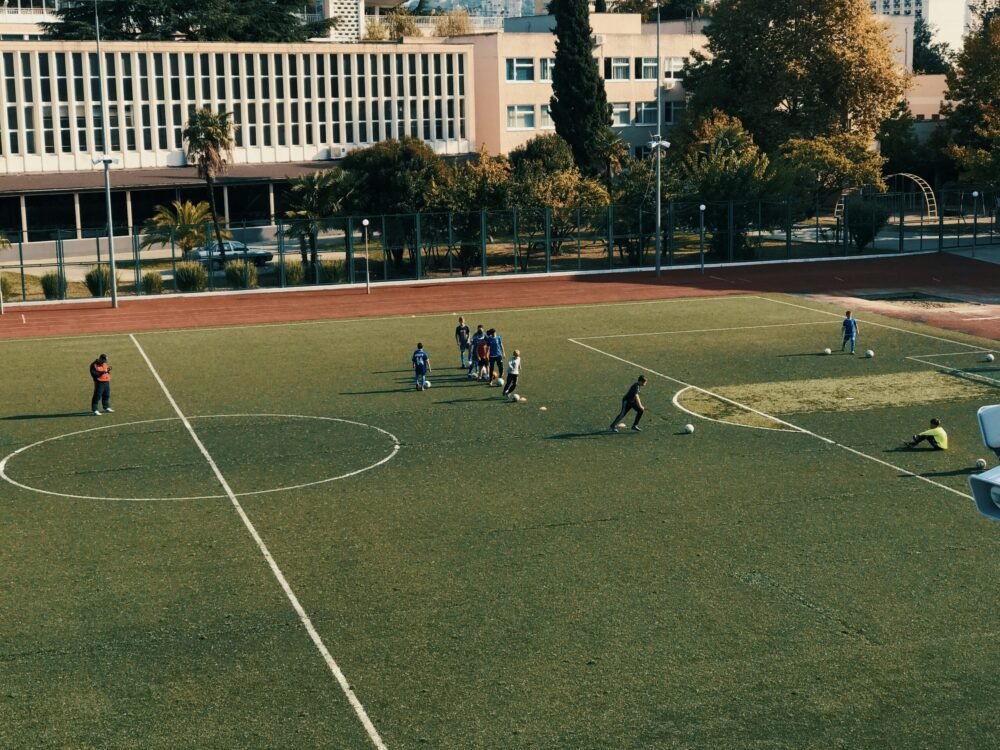

If you are a student or a Parent searching for Top 10 Countries Where School-to-Sports Careers Work Best in 2026, this article will guide you. A successful sports career often starts long before an athlete turns professional. For many, it begins in school not just as casual participation, but as structured development embedded within educational systems.
In 2026, certain countries have perfected the model where a student’s academic journey complements their athletic development allowing them to excel in classrooms and on fields, courts, tracks, and pools. These countries offer pathways that connect school sports programmes with professional opportunities, scholarship systems, national team exposure and expert coaching all while ensuring education remains a priority.
Top 10 Countries Where School-to-Sports Careers Work Best in 2026
Whether you’re a parent helping your child navigate opportunities, a young athlete planning your future, or simply curious about how school sports systems succeed globally, this list explores the Top 10 countries where school-to-sports careers work best in 2026.
1. United States: The Gold Standard of School-to-Pro Pathways
No country blends education and sport like the United States.
Why the US Tops This List
-
NCAA and high school athletic systems offer scholarships, competition and exposure
-
Structured leagues at every age level
-
Direct professional recruitment from schools to pro ranks
-
Full academic support alongside elite sport
Whether in basketball, athletics, swimming or football (soccer), student-athletes enjoy clear progression routes from classrooms to stadiums.
2. Australia: Balanced Performance and Personal Development
Australia’s school sports model focuses on long-term development, ensuring athletes thrive on and off the field.
Key Strengths
-
Structured school sport programmes
-
Integrated state and national pathways
-
Well-funded coaching and community clubs
-
Athlete wellbeing and education prioritised
This balance reduces burnout and supports lifelong engagement with sport.
3. United Kingdom: Integrated School and Club Systems
The UK excels in linking school sports with professional clubs.
What Works Well
-
School sport festivals and competitions
-
Collaborative programmes with local clubs
-
National governing body support
-
Talent identification from schools
Football, rugby, athletics and cricket all benefit from this system.
4. Japan: Discipline, Culture and Systematic Progression
Japan’s school-to-athlete pathways are rooted in discipline and structure, producing well-rounded competitors.
Highlights of Japan’s Model
-
After-school sports clubs (bukatsu)
-
Clear progression from school teams to national programmes
-
Strong coach education
-
Technical and tactical emphasis
Athletes often graduate into elite sport and professional careers outside it.
5. Canada: Inclusive, Accessible and Performance-Driven
Canada’s system is inclusive and highly accessible, making sport an achievable goal for many students.
What Makes Canada Thrive
-
School sports integrated into educational frameworks
-
Rich youth sports participation
-
Pathways into college scholarships and professional leagues
-
Support for parasport and diverse talent
Canadian athletes often transition seamlessly to university programmes and international competition.
6. Germany: Structured, Scientific and Efficient
Germany’s approach relies on strong integration between schools and sports science.
German System Benefits
-
Collaboration between schools and local clubs
-
Emphasis on physical literacy and long-term development
-
Sports science support from an early age
-
Dual pathways for education and sport
Athletes graduate with both academic qualifications and elite sporting skills.
7. France: Nationally Supported School-Sports Pathways
France uses national federations to link school participation with elite development.
French Advantage
-
School competitions feeding into regional and national programmes
-
Federal support for coaching education
-
Inclusive access to facilities
-
Clear performance pathways
Many professional athletes start in school competitions before national development.
8. Kenya: Emerging School-to-Elite Success in Distance Running
Kenya’s school system has become a significant pathway for long-distance running talent.
Why Kenya Works
-
Strong school cross-country and athletics programmes
-
Early identification of talent
-
Structured training camps linked to schools
-
Community and national support for running careers
Kenyan athletes feature prominently in global marathons and championships.
9. South Korea: Tech-Infused School Sports Development
South Korea blends discipline with technology in school athletics.
Unique Features
-
AI-assisted performance tracking
-
School competitions integrated with tech analysis
-
Early identification and monitoring
-
National federation school partnerships
This helps athletes develop rapidly while balancing study.
10. Netherlands: Smart, Inclusive and Focused Pathways
The Netherlands focuses on quality over quantity, creating targeted development systems.
Dutch Model Strengths
-
Collaborative school-club pathways
-
Emphasis on tactical and technical development
-
Strong coach education at school level
-
Balanced academic and athletic planning
Dutch systems consistently produce athletes with strong game intelligence.
Comparison Table: School-to-Sports Systems in 2026
| Country | School Sports Integration | Progression to Elite | Academic Support | Inclusive Opportunities |
|---|---|---|---|---|
| United States | ⭐⭐⭐⭐⭐ | ⭐⭐⭐⭐⭐ | ⭐⭐⭐⭐⭐ | ⭐⭐⭐⭐⭐ |
| Australia | ⭐⭐⭐⭐ | ⭐⭐⭐⭐ | ⭐⭐⭐⭐⭐ | ⭐⭐⭐⭐ |
| United Kingdom | ⭐⭐⭐⭐ | ⭐⭐⭐⭐ | ⭐⭐⭐⭐ | ⭐⭐⭐⭐ |
| Japan | ⭐⭐⭐⭐ | ⭐⭐⭐⭐ | ⭐⭐⭐⭐ | ⭐⭐⭐ |
| Canada | ⭐⭐⭐⭐ | ⭐⭐⭐⭐ | ⭐⭐⭐⭐ | ⭐⭐⭐⭐ |
| Germany | ⭐⭐⭐⭐ | ⭐⭐⭐ | ⭐⭐⭐⭐ | ⭐⭐⭐ |
| France | ⭐⭐⭐⭐ | ⭐⭐⭐ | ⭐⭐⭐⭐ | ⭐⭐⭐ |
| Kenya | ⭐⭐⭐⭐ | ⭐⭐⭐ | ⭐⭐⭐ | ⭐⭐⭐ |
| South Korea | ⭐⭐⭐ | ⭐⭐⭐ | ⭐⭐⭐⭐ | ⭐⭐⭐ |
| Netherlands | ⭐⭐⭐ | ⭐⭐⭐ | ⭐⭐⭐⭐ | ⭐⭐⭐ |
What Makes School-to-Sports Pathways Successful
Across the top countries, certain principles stand out:
Early Access to Competition
Kids start playing organised sport in school, giving them experience and exposure young.
Coaching Education and Support
Schools invest in coach training, so young athletes get quality guidance early.
Clear Pathways
Students know how to move from school clubs to regional, national and professional stages.
Academic Balance
Education is never sacrificed, athletes get support to manage both school and sport.
Final Words: Education and Sport Work Best Together
In 2026, the countries where school-to-sports careers work best all share a belief: athletes should be students first, competitors second, and professionals later. This mindset ensures young people grow with healthy bodies, curious minds and strong futures, whether they make it to the top or choose other paths. For parents and athletes navigating the dream, these countries offer some of the best environments in the world to chase sporting excellence without sacrificing education.
Sport is a journey and the strongest journeys start in school. Your journey could literally begin today with this guide on Top 10 Countries Where School-to-Sports Careers Work Best in 2026.