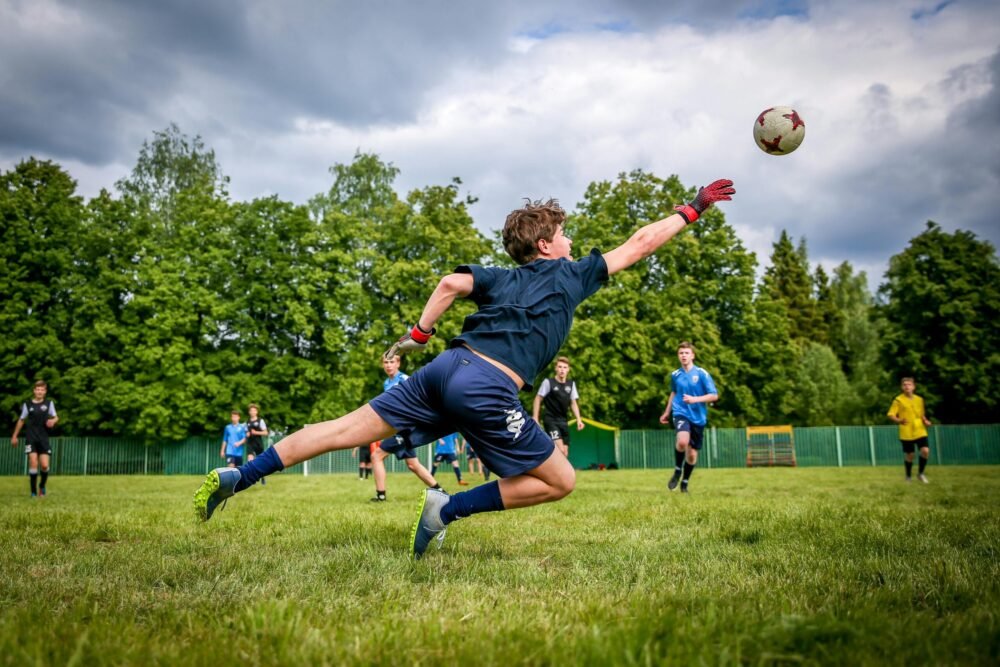

If you are an athlete searching for Top 10 Countries With the Best Grassroots Football Development Systems in 2026, this article will guide you. Every world-class footballer starts somewhere, on a dusty street, a school field, a local pitch or a community academy. Before the fame, the contracts and the stadium lights, there is grassroots football: the foundation where talent is discovered, nurtured and shaped.
In 2026, some countries stand out for doing this exceptionally well. They don’t just produce stars, they build systems that give every child a fair chance to play, grow and dream. These nations invest in coaching education, youth competitions, school partnerships and community programmes that turn raw passion into real opportunity.
Top 10 Countries With the Best Grassroots Football Development Systems in 2026
Look no more cause we have broken down the Top 10 Countries With the Best Grassroots Football Development Systems in 2026. These nations invest in coaching education, youth competitions, school partnerships and community programmes that turn raw passion into real opportunity.
Here are the Top 10 Countries With the Best Grassroots Football Development Systems in 2026 and why they are leading the way.
1. Germany
Germany’s grassroots system is famous for its structure, inclusiveness and long-term planning.
Why Germany leads:
-
Over 360 youth training centres linked to professional clubs
-
Mandatory youth academies for Bundesliga teams
-
Strong partnership between schools and football clubs
-
Licensed coaching at even the youngest age levels
Germany’s system focuses on technical skill, intelligence and character development from an early age.
2. Netherlands
The Netherlands has one of the most intelligent and player-focused grassroots systems in the world.
What makes it special:
-
Tactical education from youth level
-
Emphasis on creativity, positioning and awareness
-
Small-sided games and skill-based training
Young players are taught how to think, not just how to play.
3. Spain
Spain’s grassroots football culture blends street football creativity with academy structure.
Key strengths:
-
Strong local club culture
-
Technical focus on ball mastery and movement
-
Competitive youth leagues across regions
Spain produces technically gifted players who understand the game deeply.
4. France
France combines community football with elite national development.
Why France stands out:
-
National training centres like Clairefontaine
-
Government-supported youth sport funding
-
Strong scouting and inclusion of diverse communities
France ensures talent is found regardless of background.
5. England
England has modernised its grassroots system massively over the last decade.
Key features:
-
FA grassroots development programmes
-
Coach education reform and safeguarding standards
-
Improved facilities and community funding
The English system now balances physicality with technical and mental development.
6. Japan
Japan’s disciplined and education-based football culture starts from primary school.
Why Japan works:
-
School-based football leagues integrated with education
-
Respect for coaching and development
-
Strong focus on teamwork and discipline
Football is treated as character education as much as sport.
7. Brazil
Brazil remains the spiritual home of grassroots football creativity.
Why Brazil still shines:
-
Strong street football culture
-
Local community tournaments everywhere
-
Natural technical and expressive playing style
Although less structured, Brazil’s grassroots system produces exceptional talent organically.
8. Belgium
Belgium rebuilt its grassroots system after 2000 and it worked.
Key strengths:
-
Nationwide youth curriculum
-
Focus on technique, intelligence and versatility
-
Small-sided games at young ages
Belgium’s “Golden Generation” came from grassroots reform.
9. Portugal
Portugal blends technical football education with strong club academies.
Why Portugal succeeds:
-
Close link between grassroots clubs and professional academies
-
Emphasis on technique and tactical awareness
-
Strong scouting network
Portugal consistently produces elite talent despite a small population.
10. Australia
Australia is investing heavily in youth football development.
Why Australia is rising:
-
Government and private funding into youth sport
-
Integration of football into school systems
-
Growing multicultural participation
Australia is building a future-focused grassroots structure.
Comparison Table
| Country | Structure | Technical Focus | Inclusion | Education Link | Global Talent Output |
|---|---|---|---|---|---|
| Germany | Very high | High | High | Strong | Very high |
| Netherlands | High | Very high | High | Strong | Very high |
| Spain | High | Very high | Moderate | Moderate | Very high |
| France | High | High | Very high | Strong | Very high |
| England | High | High | High | Moderate | High |
| Japan | Moderate | High | High | Very strong | Growing |
| Brazil | Low | Very high | High | Low | Very high |
| Belgium | High | High | Moderate | Moderate | High |
| Portugal | Moderate | High | Moderate | Moderate | High |
| Australia | Growing | Moderate | High | Strong | Growing |
Why Grassroots Football Matters More Than Ever
Grassroots systems:
-
Create access for children regardless of background
-
Promote healthy lifestyles and discipline
-
Discover talent early and fairly
-
Build stronger communities through sport
The better the grassroots system, the stronger the future of football becomes.
Final Words: Great Football Nations Are Built From the Ground Up
The true strength of a football nation is not in its trophies, but in its foundations. The countries on this list understand that greatness begins with children, coaches, schools and communities. By investing in grassroots football, these nations are not only building future stars, they are shaping confident, disciplined and inspired young people. And that is how football truly changes the world.
Your journey could literally begin today with this guide on Top 10 Countries With the Best Grassroots Football Development Systems in 2026.