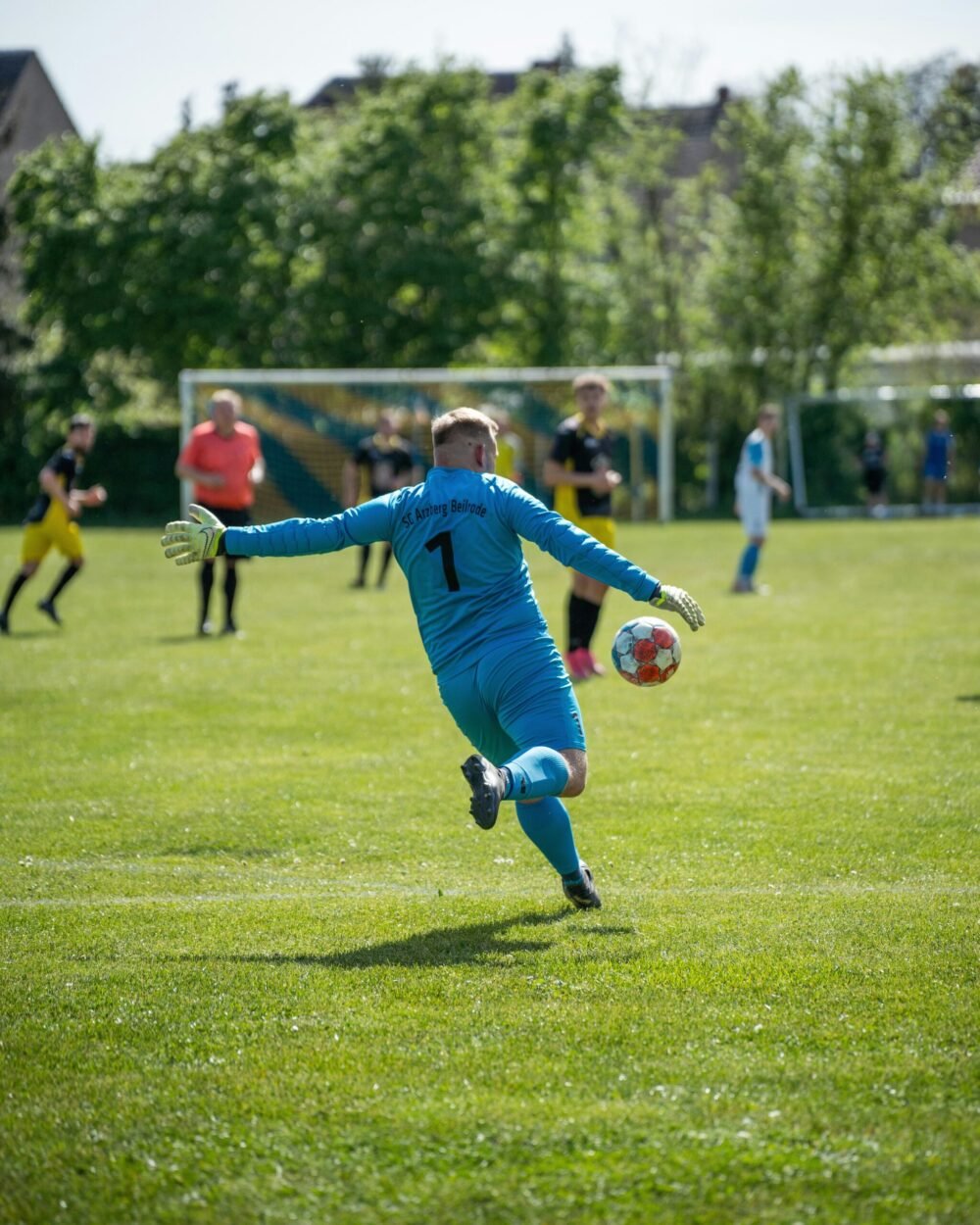

If you are a young footballer searching for Top 10 Dual-Career Football Systems That Protect Players’ Futures in 2026, this article will guide you. As football becomes more competitive, worry remains that many talented young players may burn out, get injured, or never secure pro contracts.
In response, a growing number of development systems now emphasize “dual-career” pathways, meaning players pursue education and career planning alongside football training. The idea is simple: help players build skills for life whether they go pro, transition to another role within football, or pursue a different career entirely.
Top 10 Dual-Career Football Systems That Protect Players’ Futures in 2026
Look no more cause we have broken down the Top 10 Dual-Career Football Systems That Protect Players’ Futures in 2026. Here are the top dual-career systems in 2026 that balance sport performance with long-term prospects, supported by education, personal development frameworks, and career pathways.
Below are the Top 10 Dual-Career Football Systems That Protect Players’ Futures in 2026:
1. U.S. College Soccer System (NCAA & NAIA)
The American college soccer model remains one of the most established dual-career pathways in the world. Student-athletes train and compete at a high level while earning a university degree, often on partial or full scholarships.
Why It Protects Futures
- Combines competitive football with academic degrees.
- Options to pivot into coaching, sport science, business, or other professions post-graduation.
- Many players choose to finish their degrees even after being drafted.
Best For: Players who want structured education alongside high-level play.
2. UEFA Dual Career Initiatives (Europe)
European football authorities including national federations are actively building dual-career frameworks to help young players balance school and sport. These include pilot programmes and education collaborations with clubs and universities across Scandinavia and Western Europe.
Why It Protects Futures
- Coaches and educators work together to tailor training and academic plans.
- Players don’t have to sacrifice schooling for elite training.
Best For: European youth entering academy systems who want education + sport integrated.
3. RIASA – Richmond International Academic & Soccer Academy (UK)
Based at Leeds Beckett University, RIASA is a football academy that includes a four-year degree programme for international student-athletes. Players train daily while studying for a recognised academic qualification.
Why It Protects Futures
- Gives players a degree in sports business management alongside football development.
- Players can pursue careers in sport, business, coaching, or management after graduation.
Best For: International players seeking both academic credentials and athletic growth.
4. i2i International Soccer Academy (UK)
This programme partners with British universities to allow players to study while training like elite athletes. It blends academic coursework with football sessions delivered by experienced coaches.
Why It Protects Futures
- Degree pathways (in sports science, management, etc.) provide career security beyond playing.
- Academic achievement is required alongside athletic performance.
Best For: Players who want dual success in academia and football.
5. Football Futures Group (UK Education Pathway)
Designed as a structured sports development & coaching course, the Football Futures Group offers a two-year programme combining coaching, sports science, and academic skill building with career transitions in mind.
Why It Protects Futures
- Emphasizes real world skills (coaching, teaching, science) applicable inside or outside football.
- Provides pathways to university, U.S. scholarships, or employment in sport.
Best For: Players interested in technical sport careers (education, coaching, performance support).
6. FA Dual Career Guides (England)
The Football Association in England has created dual-career guides for girls and women, offering structured support for balancing education/work and football.
Why It Protects Futures
- Highlights opportunities beyond the pitch, such as degrees or work pathways.
- Encourages dual planning from early years through adulthood.
Best For: Young women seeking football and academic/career balance.
7. Kinetic Foundation (UK)
Kinetic Foundation works at grassroots levels in London, blending footie development with academic support, community service, and college access opportunities.
Why It Protects Futures
- Offers academic guidance and volunteer experiences.
- Connects players with U.S. college opportunities via scholarships.
- Helps players build life skills and networking connections.
Best For: Youth players needing a holistic development framework.
8. Dual Career EU Initiatives (Erasmus+ Project)
The FOCUS project under Erasmus+ (Footballers’ Opportunities for Careers, University & Sport) is actively developing a scalable dual-career model for European players, integrating education and football.
Why It Protects Futures
- Combines academic planning with athletic development.
- Frameworks are being built to help players transition successfully between sport and study/work.
Best For: European players and national associations wanting structured career planning.
9. South Bronx United (USA)
This nonprofit uses soccer as a tool for education, college preparation, and personal development in New York City.
Why It Protects Futures
- Offers academic support, tutoring, and college-prep services.
- Helps players build pathways both on and off the pitch.
- Especially valuable for players from underserved communities.
Best For: Young players needing community support and dual academic/sport development.
10. Pathways Academic Football Programmes (Global)
Certain academies (e.g., TFA UAE Pathways) are explicitly building football structures that include academic counseling, college preparation, and career coaching, helping players plan beyond football.
Why It Protects Futures
- Offers personalised academic advice, college guidance, and career planning.
- Encourages players to view schooling and sport as complements, rather than trade-offs.
Best For: Youth players who want structured academic + football pathways.
Why Dual-Career Models Matter in 2026
In today’s football world:
- Only a small percentage of youth players reach elite professional status.
- Education and personal development significantly improve long-term outcomes.
- Dual-career frameworks reduce burnout and provide mental stability, career options, and life skills for players who don’t make it to the top level.
Core Benefits of Dual-Career Systems
- Education First: Ensures a solid academic foundation even if a pro contract doesn’t materialize.
- Personal Development: Life skills, networking, and career planning enhance post-play opportunities.
- Protected Futures: Players can pivot into coaching, sport science, business, or entirely different professions.
Comparison Table: Dual-Career Football Systems That Protect Players’ Futures in 2026
| System / Program | Country / Region | Education Level Offered | Football Level | Best For | Key Future Benefit |
| U.S. College Soccer (NCAA & NAIA) | United States | Bachelor & Masters Degrees | Competitive college → pro pathway | Student-athletes | Degree + pro draft exposure |
| UEFA Dual Career Initiatives | Europe (multiple countries) | Secondary & Tertiary Education | Elite youth academies | Academy players | Balanced school + elite training |
| RIASA (Richmond International Academic & Soccer Academy) | United Kingdom | University Degree (Sports Business) | Semi-pro & elite training | International players | Degree + UK football exposure |
| i2i International Soccer Academy | United Kingdom | University Degrees (various fields) | Elite academy training | Career-focused players | Academic safety net |
| Football Futures Group | United Kingdom | Coaching & Sports Education Certifications | Developmental football | Coaching-minded players | Smooth transition to sport careers |
| FA Dual Career Program (Women) | England | Academic & Career Planning Support | National & club level | Female players | Career planning beyond football |
| Kinetic Foundation | United Kingdom | College & University Access | Grassroots to elite | Youth players | Scholarships + life skills |
| Erasmus+ Dual Career Projects | European Union | University & Vocational Studies | National-level youth football | EU athletes | Structured life-after-football plan |
| South Bronx United | United States | College Prep & Scholarships | Competitive youth football | Community-based players | Education + social development |
| Global Academic Football Pathways (e.g., UAE) | Middle East / Global | International school & university prep | Elite academy | International youth | Flexible academic-football balance |
Why This Table Matters for Young Players
Many young footballers focus only on talent and training, but the reality is harsh: injuries, bad timing, lack of exposure, or simple luck can end a career early. This table helps players and parents compare real options based on education level, football quality, and long-term security not hype or promises.
In 2026, smart players are no longer asking “Which academy signs fastest?” They’re asking “Which system protects my future?”
General Eligibility & Requirements for Dual-Career Football Systems
While each program has its own rules, most dual-career football pathways share similar requirements. Below is a simple and easy-to-understand breakdown.
Academic Requirements
- Minimum school completion (secondary/high school level)
- Acceptable grades (not always top grades — many programs are flexible)
- Proof of enrollment or willingness to study
Football Requirements
- Basic competitive playing experience
- Match footage or highlight videos
- Coach reference (sometimes optional)
- Fitness and medical clearance
Age Range (Typical)
- Youth programs: 13–18 years
- University programs: 17–24 years
- Late bloomers are increasingly accepted in 2026
Language Requirements
- Basic English proficiency for UK, US, and EU programs
- Language support offered in many systems
Financial Considerations
- Some programs are fully funded
- Others offer partial scholarships
- Payment plans are common
- Trial fees are often waived in education-based systems
Who Should Choose a Dual-Career Football Pathway?
These systems are not only for players who “aren’t good enough.” In fact, many professionals today came through dual-career routes.
Dual-career systems are ideal for:
- Players worried about injuries or instability
- Parents who want education security
- Late developers and overlooked talents
- International players facing visa limitations
- Players interested in coaching, sports business, or media
Why Dual-Career Football Systems Are Growing Fast in 2026
Football is evolving. Clubs, federations, and families now understand that mental health, education, and career stability are just as important as speed, strength, and skill.
In 2026:
Clubs prefer educated players with discipline
Universities act as development hubs
Federations promote player welfare
Parents demand safer pathways
The result? Dual-career systems are no longer a backup plan they are a smart first choice.
Conclusion: Football Dreams Are Stronger with a Backup Plan
The idea that football success means only turning professional is outdated. In today’s game, the strongest players are those with options.
Dual-career football systems protect players from: Career-ending injuries, Poor management decisions, Financial instability and Post-football uncertainty.
Whether a player becomes a professional, a coach, a sports scientist, or a business leader, these systems ensure one thing: football opens doors, not closes them. In 2026, the smartest footballers are not just chasing contracts, they are building futures.
Your journey could literally begin today with this guide on Top 10 Dual-Career Football Systems That Protect Players’ Futures in 2026.