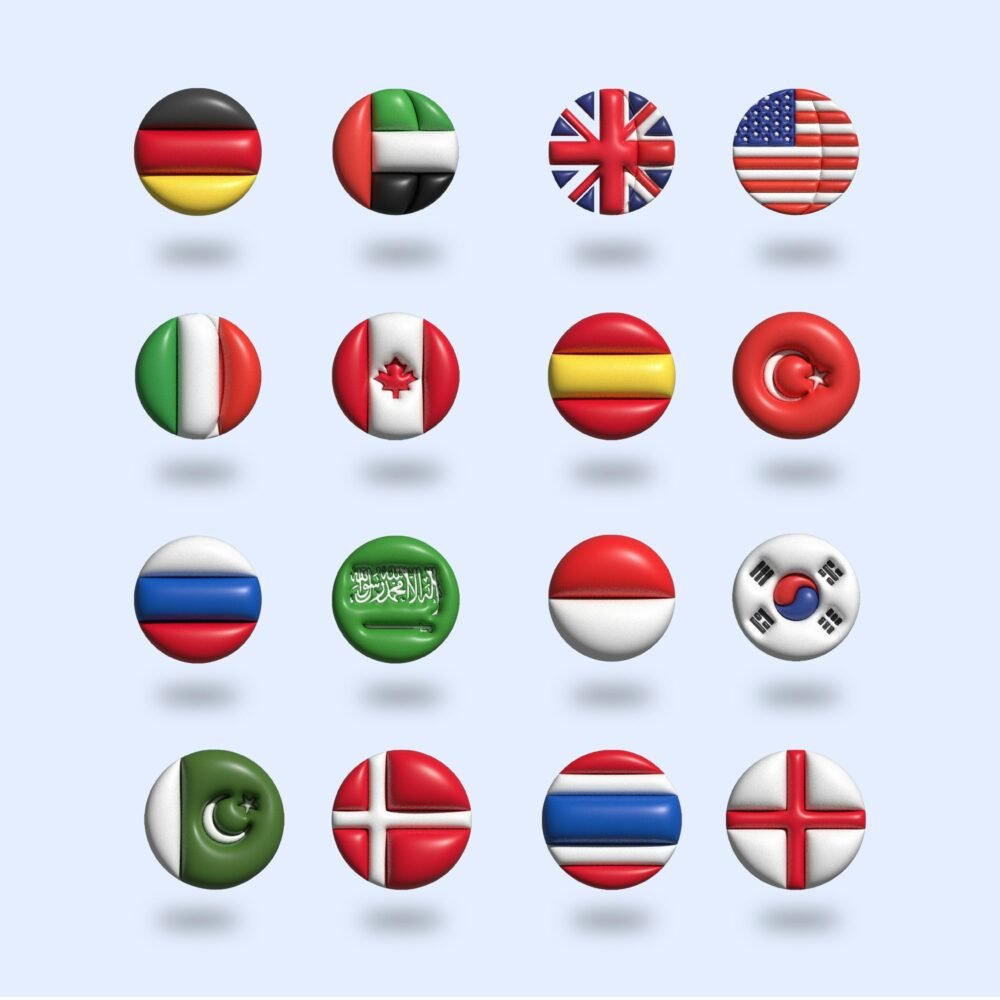

If you are a student-athlete, coach or parent searching for Top 10 Government-Supported Football Education Programs in 2026, this article will guide you. In 2026, football development is no longer just about producing elite players. Around the world, governments are investing heavily in structured football education programmes that combine academic pathways, sports science, safeguarding frameworks and professional coaching.
As global competition intensifies and the football industry becomes more data-driven, nations are recognising that sustainable success depends on strong grassroots systems backed by public funding and policy support. As more countries prepare for major international competitions and youth globalisation increases, public policy will continue to shape football’s future. For student-athletes, coaches and families navigating football pathways in 2026, understanding government-backed systems is no longer optional. It is essential.
Top 10 Government-Supported Football Education Programs in 2026
Look n o more cause we have broken down the Top 10 Government-Supported Football Education Programs in 2026 in this guide. This article explores the Top 10 Government-Supported Football Education Programs in 2026, highlighting how national bodies are shaping youth development, school integration and elite training.
The nations listed below are not simply producing footballers. They are building structured ecosystems where education, science and elite training move together.
Lets dive into the Top 10 Government-Supported Football Education Programs in 2026:
1. Germany – DFB Talentförderung and Dual Career Integration
Germany continues to lead in structured football education through programmes overseen by the German Football Association (DFB). The country’s long-established Talentförderung (talent promotion) system integrates football training with academic education.
What makes Germany stand out in 2026 is its continued investment in:
- Elite training centres linked to regional education institutions.
- Structured pathways from grassroots academies to Bundesliga clubs.
- Strong cooperation between schools and football training bases.
Germany’s youth football infrastructure remains supported by federal and regional funding models, ensuring coaching standards and academic progression remain aligned.
Even though funding challenges have been publicly discussed in other sporting codes within Germany , football remains one of the best-structured and publicly supported sports ecosystems in Europe.
2. France – National Institute Model (Clairefontaine System)
France’s government-backed football education revolves around the renowned INF Clairefontaine model, supported by the French Football Federation.
The French system emphasises:
- Regional pre-academies linked to the national curriculum.
- Boarding-based football education centres.
- Strong safeguarding and psychological development programmes.
Government funding ensures equal access across regions, preventing elite football from becoming exclusive to wealthy families.
In 2026, France continues refining its youth certification and coach education frameworks, ensuring that footballers graduate with academic qualifications alongside technical excellence.
3. United Kingdom – FA Education and Premier League Support Schemes
In the United Kingdom, football education is shaped through cooperation between government bodies and the The Football Association.
Government-supported initiatives include:
- Elite Player Performance Plan (EPPP) structures.
- School–club partnership schemes.
- Public funding for community and grassroots pitches.
The UK model emphasises safeguarding, inclusion and educational attainment. Football academies must meet strict academic and welfare benchmarks.
Additionally, the UK government continues to fund community sports facilities and grassroots pitch development through broader sport infrastructure strategies.
4. Spain – Regional Federation and Education Integration
Spain’s football education system benefits from decentralised regional government involvement alongside the Royal Spanish Football Federation.
In 2026, Spain’s publicly supported programmes focus on:
- Integrating football academies into secondary education systems.
- Strengthening coach licensing through public universities.
- Youth tournament regulation for development-first competition.
The Spanish government continues to collaborate with regional federations to modernise youth facilities and protect young players through updated safeguarding policies.
5. Canada – National Training Centre Vision 2026
Canada has made major moves ahead of the 2026 FIFA World Cup, co-hosted with the United States and Mexico. A proposed national training centre initiative supported by municipal and federal stakeholders aims to establish a permanent high-performance hub .
According to recent reports, the training centre would support:
- National team development.
- Coach and referee education.
- Sports science research.
- Community outreach programming .
Additionally, Canada Soccer recently secured a new long-term commercial rights deal beginning in January 2026, strengthening its financial position for long-term development .
This financial boost is expected to increase investment in youth education pathways and infrastructure.
6. Japan – J-League Structural Reform and School Alignment
Japan’s football system is undergoing structural reform in 2026 as the J.League transitions to an August–May calendar .
While the rule change about eliminating draws applies to a transitional competition , it reflects broader innovation within Japanese football governance.
The Japanese government supports football education through:
- School-based football clubs.
- University-linked scholarship systems.
- Technical education for youth coaches.
Japan’s football education emphasises discipline, tactical awareness and academic progression, making it one of Asia’s most structured models.
7. Australia – State-Level Talent Leagues and Infrastructure Investment
Australia continues to modernise its youth development ecosystem. In early 2026, South Australia rebranded its elite junior competitions under the AAMI Talent League banner, reflecting increased sponsorship and structural investment .
The development includes:
- Under-16 and Under-18 elite competitions.
- Dedicated high-performance centres, including a $25.3 million facility at West Lakes .
- Pathways aligned with national draft and talent identification systems.
Government and state funding continue to strengthen youth infrastructure across the country.
8. Netherlands – Community Sports Infrastructure Protection
The Netherlands has long prioritised grassroots football. In 2025–2026, Dutch sporting bodies, including the Royal Dutch Football Association, advocated for protecting sports facility funding under the BOSA subsidy scheme .
Thousands of amateur clubs rely on this subsidy for:
- Pitch maintenance.
- Facility upgrades.
- Accessibility improvements .
Government-backed infrastructure funding ensures that youth football education remains accessible nationwide.
9. Qatar – Aspire Zone and Public Sports Investment
Qatar continues to invest heavily in sports development following the 2022 World Cup legacy. Its 2025 public budget allocated substantial funding to sports infrastructure upgrades, including Aspire Zone improvements .
Government spending includes:
- Sports facility development.
- Education-sector expansion.
- Integration of sports science research within academic institutions .
Qatar’s model combines state-backed elite training with structured educational programming.
10. United States – School-to-College Scholarship Framework
The United States continues to operate one of the world’s most structured football education pipelines through its school and collegiate systems.
Government-backed educational institutions provide:
- Public high school athletic programmes.
- NCAA and NAIA scholarship routes.
- Federally supported Title IX gender equity frameworks.
The American system integrates football into the education structure from middle school through university, making it a globally recognised dual pathway model.
Why Government Support Matters in 2026
Across these nations, three common patterns define successful football education models:
First, integration with formal education systems.
Second, infrastructure investment backed by public funding.
Third, safeguarding and long-term athlete welfare strategies.
The financial reinforcement seen in Canada and infrastructure development in Australia demonstrate how governance stability strengthens youth development.
Similarly, subsidy schemes in the Netherlands and national training centre proposals in Canada illustrate the importance of state involvement.
Final Words: The Future of Football Education
In 2026, government-supported football education programmes are evolving beyond simple youth academies.
They now represent:
- Academic protection systems for young athletes.
- Professional development pipelines.
- National identity projects tied to sporting excellence.
- Economic strategies linked to global tournaments.
As more countries prepare for major international competitions and youth globalisation increases, public policy will continue to shape football’s future. The nations listed above are not simply producing footballers. They are building structured ecosystems where education, science and elite training move together. For student-athletes, coaches and families navigating football pathways in 2026, understanding government-backed systems is no longer optional. It is essential.
Your journey could literally begin today with this guide on Top 10 Government-Supported Football Education Programs in 2026.