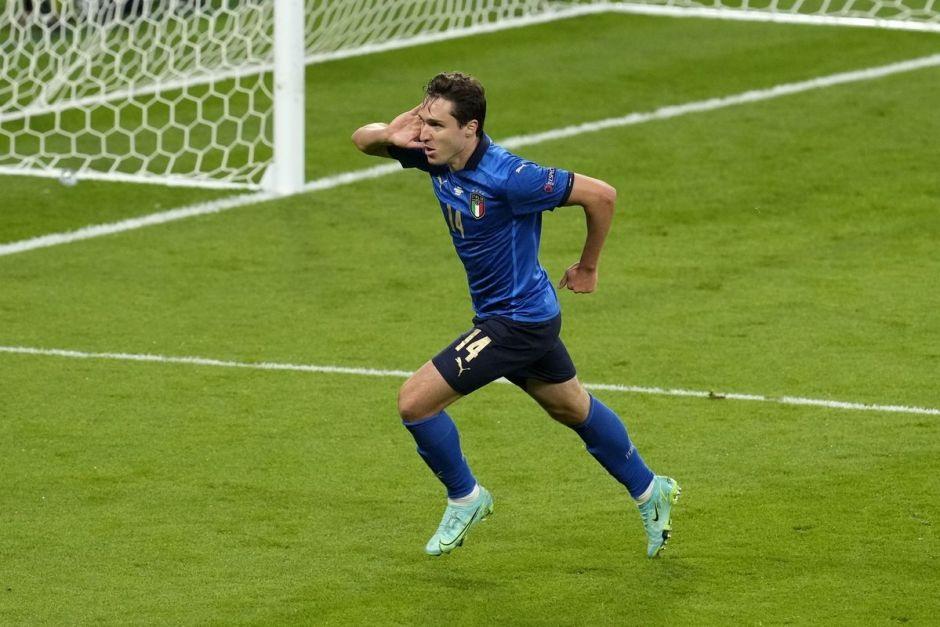

If you are a young footballer searching for Top 10 Ways How European Dual Education Models Protect Young Footballers in 2026, this article will guide you. In 2026, European football is no longer just about producing elite players. It is about protecting them. For decades, young footballers chased professional contracts with little safety net.
Many left school early, moved abroad too soon, or relied entirely on academy promises that did not always materialise. Today, however, European dual education models are changing that narrative. The dual education model combines structured football training with formal academic certification. It ensures that young players develop both sporting ability and recognised educational qualifications at the same time. Across Europe, this approach has become the foundation of responsible youth development.
Top 10 Ways How European Dual Education Models Protect Young Footballers in 2026
Look no more cause we have broken down the Top 10 Ways How European Dual Education Models Protect Young Footballers in 2026 in this guide. If you are a parent, coach, agent or young footballer, understanding how these systems protect players in 2026 is essential.
Below are the Top 10 Ways How European Dual Education Models Protect Young Footballers in 2026:
1. Guaranteed Academic Continuity Alongside Football Training
One of the strongest protections offered by European dual education systems is compulsory schooling integration. In countries like Germany and France, academy players are required to remain enrolled in recognised schools or vocational institutions. Education is not optional; it is embedded in the development contract.
This ensures that:
- Players complete secondary education.
- Academic progression is monitored regularly.
- Dropout rates are significantly reduced.
- Players remain eligible for university entry.
If a football career does not progress as expected, the player still has certified academic credentials.
2. Structured Welfare and Safeguarding Policies
European football federations have strengthened youth safeguarding frameworks in 2026. Countries such as Spain and Netherland now require academies to implement player welfare systems.
These protections include:
- Background checks for coaching staff.
- Anti-bullying and safeguarding officers.
- Mental health support access.
- Clear complaint reporting mechanisms.
This reduces exploitation risks and creates safer environments for young athletes.
3. Regulated Training Hours to Prevent Burnout
Modern dual education systems strictly regulate training intensity for youth players. In countries like Sweden and Denmark, academies must balance training schedules with classroom commitments.
This structure protects players from:
- Physical overtraining.
- Academic neglect.
- Early burnout.
- Long-term injury risks.
By limiting excessive load at youth level, European systems promote sustainable development.
4. Integrated Sports Science Monitoring
In 2026, sports science is central to youth protection. European academies now use structured performance monitoring systems to track physical development.
Countries such as Germany and Portugal integrate:
- Growth and maturation tracking.
- Injury risk assessments.
- Individual conditioning plans.
- Recovery management protocols.
Young players are not treated as miniature professionals. Their development stages are scientifically monitored.
5. Legal Protection Through Structured Contracts
Another layer of protection comes from regulated youth contracts. In 2026, European football authorities require transparent agreements for academy players.
These contracts outline:
- Education obligations.
- Training commitments.
- Welfare rights.
- Release clauses and compensation rules.
This reduces exploitation and ensures that academies remain accountable.
6. Career Transition Planning From Early Stages
European dual education models do not assume every academy player will become a professional footballer. Instead, they integrate career guidance early.
In countries like France and Belgium, academies collaborate with career advisors who help players:
- Explore university options.
- Consider coaching qualifications.
- Develop leadership skills.
- Plan alternative professional routes.
This forward-thinking approach prevents career shock if a contract opportunity does not arise.
7. Psychological Support and Mental Health Services
Football pressure can be intense, especially for teenagers. European academies now embed sports psychologists into their development systems. Countries such as Netherlands and United Kingdom have prioritised mental wellbeing in 2026.
Players receive support in:
- Coping with competition stress.
- Handling social media exposure.
- Managing academic pressure.
- Building emotional resilience.
Mental protection is now viewed as equally important as physical development.
8. Clear Progression Pathways Within Structured League Systems
Dual education models protect players by embedding them within organised league systems rather than informal networks.
For example, Spain and Italy operate youth leagues that are closely regulated by national federations.
This structure ensures:
- Transparent competition standards.
- Fair talent identification processes.
- Equal exposure opportunities.
- Reduced dependency on unverified agents.
Players progress through merit-based systems rather than risky shortcuts.
9. Immigration and International Player Protections
For international youth players, European regulations in 2026 provide additional safeguards. Many countries enforce strict age and guardianship policies for minors moving abroad.
In nations like Germany and France, under-18 international players must:
- Demonstrate academic enrolment.
- Provide guardian documentation.
- Meet residency compliance standards.
- Receive federation approval.
These rules reduce trafficking risks and unethical recruitment practices.
10. National Federation Oversight and Accreditation Systems
Perhaps the strongest protection is regulatory oversight. European football federations now audit academies regularly.
Countries such as Switzerland and Austria require academies to meet licensing standards covering:
- Coaching qualifications.
- Education partnerships.
- Facility standards.
- Welfare policies.
Non-compliant academies risk losing accreditation, which incentivises responsible management.
Why This Matters for African and International Players
For African families considering European pathways in 2026, understanding these protections is critical.
Dual education models reduce risk in three major ways:
- They guarantee recognised academic certification.
- They regulate academy behaviour.
- They provide structured development pathways.
While no system is perfect, Europe’s emphasis on combining education and football significantly lowers long-term vulnerability.
The Bigger Picture in 2026
Football is evolving. The romantic idea of leaving school early to “focus only on football” is increasingly outdated in Europe.
Modern development philosophy recognises that:
- Only a small percentage of youth players become long-term professionals.
- Education strengthens tactical understanding and leadership.
- Academically grounded players transition better after retirement.
- Player welfare enhances performance sustainability.
Dual education models are not slowing down football development. They are protecting it.
Conclusion
European dual education models in 2026 represent one of the most responsible shifts in global football development. By combining structured schooling, welfare systems, scientific monitoring and career planning, they protect young players from both sporting and academic uncertainty.
For parents, agents and aspiring professionals, the message is clear: the safest football pathway is one that values education as highly as talent.
Football dreams are powerful. But when supported by education, structure and protection, they become sustainable careers rather than risky gambles.
Your journey could literally begin today with this guide on Top 10 Ways How European Dual Education Models Protect Young Footballers in 2026.