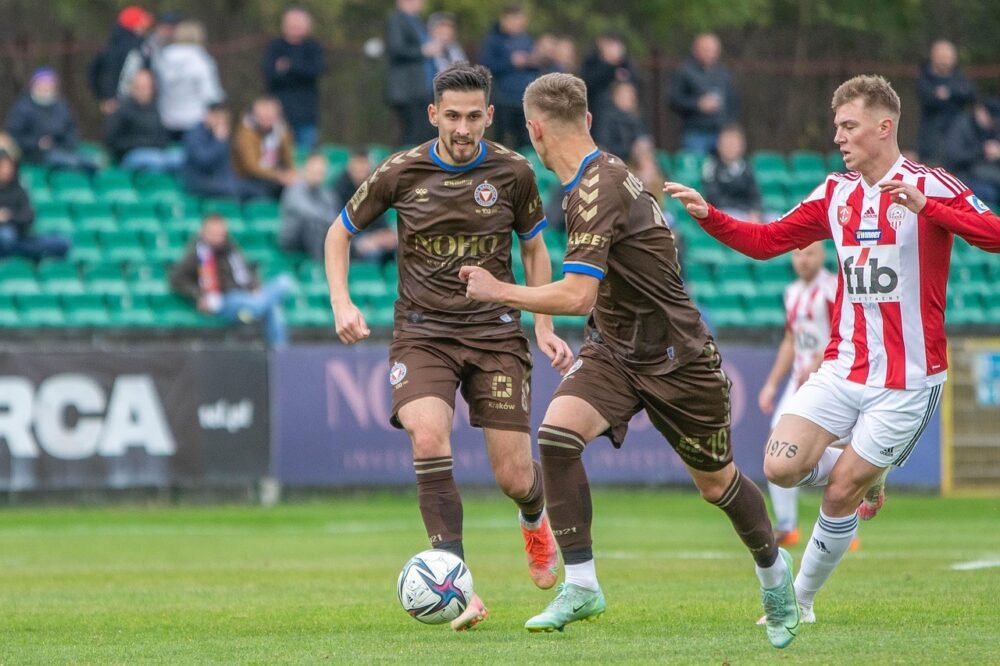

If you are a young footballer searching for Top 10 Youth Football Systems That Produce Professionals After Age 18 in 2026, this article will guide you. For years, football culture pushed one dangerous idea: if you’re not a professional by 16 or 17, it’s over. Many talented players quit early, believing they had missed their chance but in 2026, that belief is no longer true.
Across the world, several football systems have proven that late development is real. Some players grow physically late. Others mature mentally later. Some simply didn’t get the right environment early enough. The best youth football systems today understand this and are designed to develop players after age 18, not discard them.
Top 10 Youth Football Systems That Produce Professionals After Age 18 in 2026
Look no more cause we have broken down the Top 10 Youth Football Systems That Produce Professionals After Age 18 in 2026. The best youth football systems today understand this and are designed to develop players after age 18, not discard them.
Why Late Development Is More Accepted in 2026.
Modern football science has changed how clubs view age and development. Coaches now recognize that: Players mature at different speeds, Mental strength often comes later, Tactical understanding improves with age, Physical peak usually comes between 23–29 and Some players need real competition before confidence grows.
As a result, systems that allow players to develop beyond teenage years are becoming more respected and more successful.
What Makes a System Friendly to Late Developers
Youth systems that produce professionals after 18 usually share these qualities:
- They don’t cut players too early
- They offer competitive pathways at 18–23
- They combine education with football
- They allow movement between levels
- They focus on long-term progress, not early results
Below are the Top 10 Youth Football Systems That Produce Professionals After Age 18 in 2026. The countries below have built environments where patience is part of development:
1. Germany
Why it leads the world
Germany is the global benchmark for late developer success.
How the system works
Germany’s football pyramid is deep and flexible. Players who miss elite academies at 14 or 15 can still progress through regional leagues, reserve teams, and university-linked clubs. Many Bundesliga professionals signed their first major contracts after age 20.
Germany values discipline, tactical learning, and consistency qualities that often improve with age.
2. United States
Why it favors older development
The U.S. college soccer system is built for players aged 18–23.
How the system works
Players develop physically and mentally while studying. MLS and USL clubs actively recruit college players, many of whom turn professional at 21–24. Late bloomers are not punished for missing youth academies.
3. Japan
Why patience is built into the system
Japan treats university football as a core development stage.
How the system works
Many Japanese professionals only turn pro after graduating from university. J-League clubs value maturity, discipline, and tactical understanding over early hype.
This system consistently produces professionals aged 22–24.
4. Sweden
Why it supports late growth
Sweden avoids early pressure and burnout.
How the system works
Players often remain in semi-professional football through their early 20s while studying or working. Those who develop later move into professional leagues after proving consistency.
5. Norway
Why it gives players time
Norway’s football culture prioritizes inclusion and development.
How the system works
Players move gradually through divisions. Many professionals didn’t sign full contracts until their early 20s. Physical maturity and work rate are highly valued.
6. Canada
Why it’s becoming important
Canada’s football system is still expanding and open.
How the system works
Players develop through universities, semi-professional leagues, and academies. The Canadian Premier League recruits heavily from these pathways, often signing players aged 20–24.
7. England
Why it still works despite competition
Although England is competitive, it has strong late-developer pathways.
How the system works
Non-league football, university leagues, and reserve teams allow players to rise after 18. Many professionals started outside academies and broke through in their early 20s.
8. Netherlands
Why intelligence matters more than age
Dutch football values understanding of the game.
How the system works
Players can re-enter development pathways through reserve teams, amateur clubs, and university football. Technical and tactical improvement is prioritized over early physical dominance.
9. Australia
Why late development is common
Australia’s football culture is tied to education and maturity.
How the system works
Players often combine university with National Premier League (NPL) football. Many sign professional contracts in the A-League after age 20.
10. Denmark
Why it’s quietly effective
Denmark focuses on player welfare and long-term growth.
How the system works
Players develop through lower leagues, reserve teams, and education-based pathways. Late developers regularly progress into Superliga clubs.
Comparison Table: Late Developer-Friendly Football Systems (2026)
| Country | Typical Pro Age | Late Entry Pathways | Pressure Level | Best For |
| Germany | 20-24 | Very Strong | Medium | Disciplined players |
| USA | 21-24 | Very Strong | Low | Student-athletes |
| Japan | 22-24 | Strong | Medium | Tactical learners |
| Sweden | 20-24 | Strong | Low | Patient developers |
| Norway | 20-23 | Strong | Low | Physical players |
| Canada | 20-24 | Medium-Strong | Low | Late bloomers |
| England | 19-23 | Medium | High | Competitive players |
| Netherlands | 20-23 | Medium-Strong | Medium | Technical players |
| Australia | 20-24 | Medium | Low | Balanced lifestyle |
| Denmark | 20-23 | Medium-Strong | Low | Steady developers |
Who These Systems Are Best For
These environments are ideal for:
- Players who developed late physically
- Those rejected early by academies
- Student-footballers
- Players who matured mentally after 18
- Anyone who still believes in long-term growth
Common Mistakes Late Developers Make
Even in supportive systems, players fail when they:
- Give up too early
- Compare themselves to teenage stars
- Ignore fitness and professionalism
- Refuse to start in lower divisions
- Lack patience and consistency
Late development requires discipline and belief.
Conclusion
In 2026, football is finally accepting the truth: talent does not follow one timeline. Some of the best professionals in the world today were invisible at 16 and unstoppable at 23.
Countries like Germany, the USA, Japan, and Scandinavia prove that if the system is right, age is not a limitation, it’s just a number. If you are over 18 and still chasing football seriously, you are not late. You are simply on a different path.
Your journey could literally begin today with this guide on Top 10 Youth Football Systems That Produce Professionals After Age 18 in 2026.