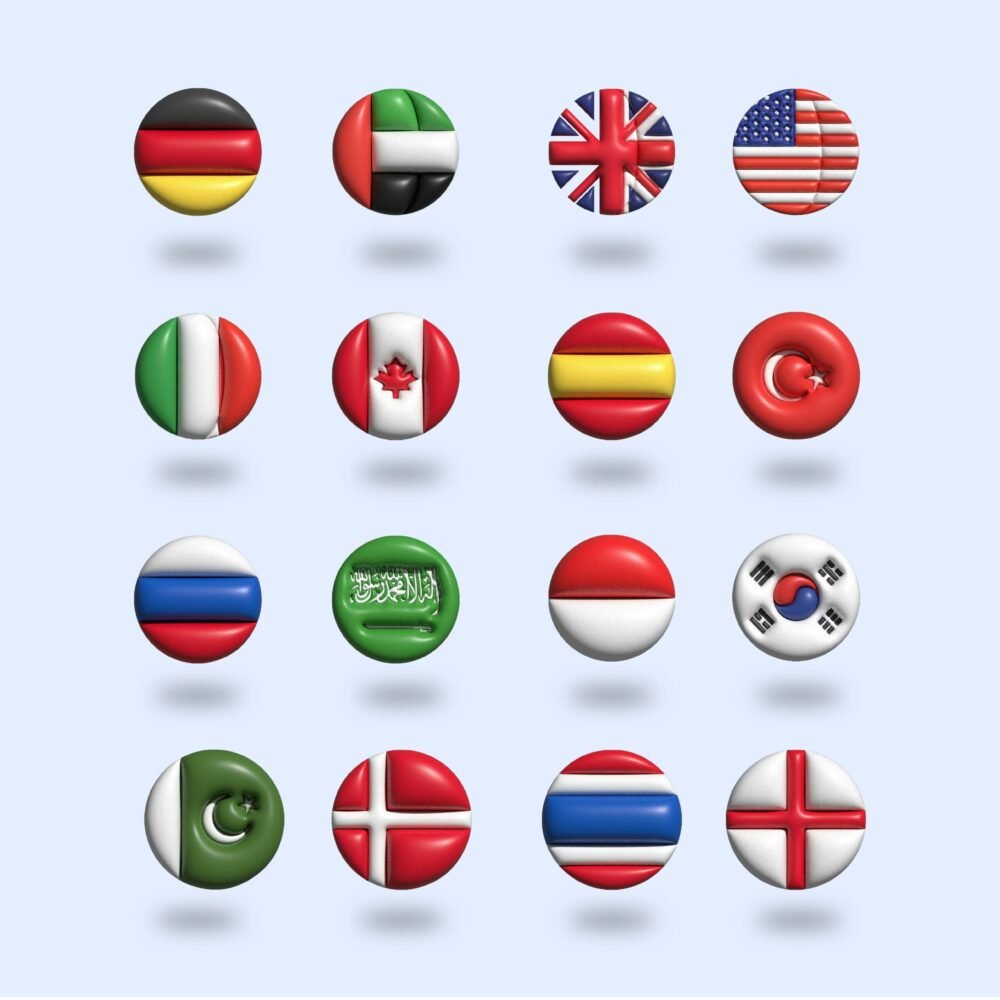

If you are an African Footballer searching for Top 10 Football Markets Recruiting African Student-Athletes in 2026, this guide will help you. African football talent continues to command global attention in 2026. From grassroots academies in West Africa to elite youth tournaments across the continent, international recruiters are increasingly targeting African student-athletes who combine athletic excellence with academic ambition.
What makes African players especially attractive today is not just their physicality or technical flair, but their adaptability, discipline, and growing academic qualifications. Universities, semi-professional clubs, and elite academies are now designing recruitment strategies specifically aimed at Africa.
Top 10 Football Markets Recruiting African Student-Athletes in 2026
Look no more cause we have broken down the Top 10 Football Markets Recruiting African Student-Athletes in 2026 in this article. If you are an aspiring footballer looking to combine education with professional development, these are the top 10 football markets actively recruiting African student-athletes in 2026.
Below are the Top 10 Football Markets Recruiting African Student-Athletes in 2026:
1. United States
The United States remains one of the strongest recruitment markets for African student-athletes. With structured college systems under the National Collegiate Athletic Association (NCAA) and the National Association of Intercollegiate Athletics (NAIA), the pathway to combine football and university education is highly developed.
American universities are increasingly scouting African tournaments, digital platforms, and showcase events. The growth of Major League Soccer and development leagues has also strengthened the pathway from college football to professional contracts.
Scholarship packages often cover tuition, accommodation, and training facilities, making the US a leading destination for academically strong footballers.
2. United Kingdom
The United Kingdom continues to expand its recruitment of African student-athletes through university football programmes and academy partnerships.
Clubs linked with institutions such as Loughborough University and other sports-focused universities offer structured dual-career pathways. The UK football ecosystem, supported by the Premier League and the English Football League, provides high visibility and competitive environments.
Brexit has reshaped regulations, but student-athlete recruitment from Africa remains active, especially for those combining education with academy football.
3. Germany
Germany’s dual education model makes it one of the most balanced football markets in 2026.
Clubs associated with the Bundesliga and lower divisions partner with educational institutions to ensure players continue academic development alongside elite training. African players are increasingly targeted due to their strong technical grounding and competitive experience.
Germany’s reputation for structured development, discipline, and tactical education makes it highly attractive.
4. France
France has long-standing historical and linguistic connections with many African countries, particularly in West and Central Africa.
French academies and university-linked programmes actively scout Francophone African nations. The Ligue 1 and Ligue 2 systems have seen consistent African representation, which strengthens recruitment networks.
For French-speaking African student-athletes, France remains one of the most accessible European markets.
5. Portugal
Portugal is known for developing young talent and selling players to bigger European leagues.
Academies connected to clubs in the Primeira Liga actively scout African youth competitions. Portuguese institutions are particularly attractive because of lower tuition fees compared to other Western European nations and relatively flexible pathways into professional football.
Portugal’s strong track record in youth development continues to draw African prospects.
6. Spain
Spain combines technical football education with competitive academic institutions.
Clubs affiliated with La Liga academies have expanded their global scouting networks, and African players are regularly invited for trials and scholarship-based programmes.
Spain’s emphasis on tactical intelligence and technical ability suits many African players who have strong foundational skills.
7. Canada
Canada is rapidly emerging as a serious football recruitment market in 2026.
With the growth of the Canadian Premier League and expanded university sports programmes, African student-athletes are finding more opportunities. Canadian institutions offer competitive scholarship packages and structured athletic development.
The country’s welcoming immigration policies for students further support its growth as a destination.
8. Turkey
Turkey has become a strategic recruitment market due to its bridge position between Europe and Asia.
Clubs in the Süper Lig and lower divisions are actively exploring African talent pools. Turkish universities offering sports science and management programmes are also building football pathways for international students.
The competitive nature of Turkish football provides strong exposure opportunities.
9. Morocco
Within Africa itself, Morocco has developed into a recruitment hub.
The Royal Moroccan Football Federation has invested heavily in youth development centres and structured training facilities. North African clubs now attract student-athletes from Sub-Saharan Africa seeking exposure to European scouts.
Morocco’s geographic proximity to Europe strengthens its role as a stepping stone market.
10. South Africa
South Africa continues to play a major role in intra-African football recruitment.
The Premier Soccer League and university football competitions create structured development pathways. South African institutions combine education and competitive football, attracting student-athletes from across the continent.
For African players seeking continental exposure before moving abroad, South Africa remains highly influential.
Why These Markets Are Targeting African Student-Athletes
Several factors explain the growing interest:
- African players often demonstrate natural athleticism and competitive resilience.
- Many now possess stronger academic qualifications, meeting scholarship requirements.
- Digital scouting platforms make it easier for recruiters to identify talent remotely.
- International tournaments hosted in Africa attract overseas scouts annually.
In 2026, recruitment is more strategic and data-driven than ever. Clubs and universities are not just signing players; they are investing in long-term development.
Key Trends Shaping Recruitment in 2026
First: dual-career models are becoming the norm. Education and football development go hand in hand.
Second: scholarship structures are more transparent, with clearer eligibility criteria and visa support.
Third: African-based showcase events are attracting more international attention than ever before.
Finally: digital player profiling has become essential. Without an online presence, many talented players risk being overlooked.
Conclusion
The global football landscape is evolving, and African student-athletes are at the centre of that transformation.
From the United States to Germany, from Morocco to Canada, recruitment markets are expanding their focus on Africa because of the continent’s immense potential.
For aspiring players in 2026, preparation must extend beyond technical skills. Academic readiness, professional conduct, and digital visibility are equally important.
Opportunities are growing but only for those who are ready to seize them both on the pitch and in the classroom.
Your journey could literally begin with this guide on Top 10 Football Markets Recruiting African Student-Athletes in 2026.